

Kenya Country Facts | Kenya Tourism
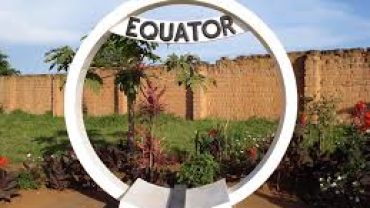
Kenya is a country in East Africa, and its capital and largest city is Nairobi, while its oldest capital city and second largest city is the coastal city of Mombasa. In addition, Kisumu City is the third-largest city and also an inland port on Lake Victoria. This country lies on the equator and is bordered by South Sudan to the northwest, Ethiopia to the north, Somalia to the east, Uganda to the west, Tanzania to the south, and the India Ocean to the southeast. The country was named after Mount Kenya, a very significant landmark. Kenya is also home to the world famous Masai Mara game reserve, which lies on the South West country.
Geography
Geographically, Kenya is the world’s 47th-largest country (after Madagascar) and the Kenyan highlands are one of the most successful agricultural production regions in Africa. Features range from deserts to snowcapped mountains, sandy coastlines to freshwater lakes, savannah grasslands to fertile agricultural plantations, extinct volcanoes to coral reefs. Kenya has twenty mountains, six of which rise to over 3,000 meters (9,900 feet). The Tana River, largest in the country, supports river traffic in its lower regions.
Climate
Kenya’s climate varies from tropical along the coast, to temperate inland, to arid in the north and northeast parts of the country. The hottest period is February and March, leading into the season of the long rains, and the coldest is in July, until mid-August.
People & Culture
Generally, 69 languages are spoken in Kenya and the official ones being English and Swahili. Most belong to two broad language families: Niger-Congo (Bantu branch) and Nilo-Saharan (Nilotic branch). In fact, these are spoken by the country’s Bantu and Nilotic populations respectively. Kenya’s ethnic groups typically speak their mother tongues within their own communities. Besides, Maasai culture constitutes of a relatively small part of Kenya’s population and well known to tourism. In fact, they are renowned for their elaborate upper-body adornment and jewelry. Religiously, Kenya is characterized by a blend of Christianity followed by Islam as the second largest religion. Githeri is a common lunchtime dish in many households, while Ugali with vegetables, meat, fish, or any other stew is generally eaten by much of the population.
Tourist attractions in Kenya
Mount Kenya
The mountain that named the country, is Kenya’s highest mountain and the second largest in Africa after Tanzania’s Mount Kilimanjaro. It was formed around 3 million years ago and the highest peak is named Batian at 5,199 meters high. There are a total of three major peaks in the central area and 12 remaining glaciers lay on the mountains, which are all receding. Habitats here include; elephants, buffalos, zebras, rhinos, etc. In fact, climbers are increasingly turning to Mount Kenya for their African climbing experience as Kilimanjaro becomes too crowded.
Wildebeest migration in Masai Mara
The world-renowned Masai Mara National Reserve is undoubtedly one of Kenya’s most remarkable reserves. It is the most selling safari destination as well as the country’s most sought-after tourist attraction. The Masai Mara is a northern extension of Tanzania’s Serengeti. It is the site of the annual Great Wildebeest Migration which takes place from late July through to early October. Here, millions of wildebeest and thousands of zebras migrate from the Serengeti in Tanzania. The Mara’s Great Migration is regarded as one of the greatest wildlife spectacles and natural wonders to witness first-hand. By far the most anticipated part of this journey is the dramatic Mara River crossings that occur between July and September as the animals enter Kenya.
Nairobi National Park
This Park is unique since its the only national park within a city boundary. As a matter of fact, it was Kenya’s first national park and from the edge of the city, you can even see giraffes in the distance. The wide-open grasslands of the national park are backed by the city’s buildings and you can find a wide variety of iconic wildlife living here. These include; lions, giraffes, cheetah, hyenas, buffalo, and a diversity of birdlife. Although small, many animals call it home as well as a destination of choice for a great many migrating herbivores. Besides, there are over 500 different bird species found within the park boundaries making it a great place for birders.
Hot air balloon
As a fantastic draw to Kenya, you can enjoy a hot air balloon ride over to see some truly remarkable wildlife spectacles from a very unique perspective. The balloon rises with daybreak as the first glimpses of sunlight illuminate the savanna. You will be on your adventure in the suspended basked beneath the balloon with your camera poised for some fantastic images. The flight lasts around 60 minutes and we will drift where the wind takes you. There are many opportunities for photographs or filming a unique angle on the animals. In keeping with true hot air ballooning tradition, your flight ends with a champagne breakfast.
Lake Victoria
The Lake is the world’s largest tropical lake and is the jewel in the Great Rift Valley region. This lake feeds the Nile River which is the world’s longest and most historically significant river. As a matter of fact, it is shared by Kenya, Uganda as well as Tanzania. Furthermore, the lake area is home to a number of birds as well as fish species. However, the wildlife here is quite sparse compared with nearby lakes, such as Lake Nakuru. Lake Victoria is the preferred place for relaxation and contains some beautiful islands.
Nairobi City Tour
This is Kenya’s capital and largest city as well as the base for many tourists visiting Kenya. Nairobi was initially established as a rail depot by the British and grew to become the country’s capital. This is now a vibrant and culture-filled city with fantastic restaurants and attractions. These include; the national museum, orphanages for various animals, the nearby national park, and some fascinating buildings. The Nairobi National Museum is an interesting place to visit to learn about Kenya’s natural and cultural history. In fact, there are many different anthropological items on display. There are some great shopping areas, such as the Masai market to haggle over different crafts and souvenirs. Note that; there also a few art galleries to visit, cultural centers, tea and coffee houses, and a butterfly house.
The Giraffe Center
Established as s breeding sanctuary back in 1979, the center has provided many breeding pairs of giraffes to several protected areas in Kenya. The main draw of the center for visitors is the raised observation platform where visitors can feed the giraffes. To add a little diversity, the center is also inhabited by a number of warthogs that live happily with their larger long-necked friends. Besides, the sanctuary has different education programs for Kenyan schoolchildren as part of the community outreach program.
Lake Nakuru
This is one the most popular lakes of the Great Rift Valley, protected in the Lake Nakuru National Park. The picturesque Lake Nakuru and park is well known for abundant flamingos, rhino and fantastic scenery. Although Lake Nakuru National Park is one of Kenya’s smallest parks, many visitors regard it as one of the most attractive. The lake itself draws many different animals, such as the great and lesser flamingos, which are the stars of the area. In addition to the flamingos and many other birds, the other animals to see in the area include warthogs, baboons, hippos, and of course the rhinos.
Hell’s Gate National Park
Just south of Lake Naivasha, the Park was named after a narrow passage in the cliffs. Actually, this was once a waterway that fed early humans in the Rift Valley. The protected area is in fact a great place to see spectacular scenery with some incredible natural features. This is also a great place to enjoy a variety of activities, including mountain biking, rock climbing, and visiting the natural hot pools. In addition, Hell’s Gate National Park is famous for its steam geysers and geology. The area has also got some fascinating wildlife as well as known for the many great areas to see birds of prey, such as the raptors. The red cliffs and grasslands provide a fantastic backdrop while you walk among the different wildlife. These include; herds of zebra, antelopes as well as gazelles. Although the large predators here are rarely seen, some visitors do get lucky and come across lions, leopards and cheetahs.
Lake Naivasha
The name Naivasha is derived from a Maasai word “that which heaves” meaning bodies of water larger enough to have wave action when is it windy or stormy. Located northwest of Nairobi and southeast of Lake Nakuru, the Great Rift Valley Lake offers a fantastic place to spot different birds in the region. You can spot various animals on game drives and river cruises, such as the hippos and different birds. Enjoy cruises on the lake to spot cormorants, pelicans, herons, kingfishers and eagles. Other birds include; jacanas, egrets, bee-eaters as well as storks. Here, you are also able to spot millions of greater and lesser flamingos at the lake edges.
Food
Kenyan food is delicious African cuisine usually means barbecued meat. However, there is a diversity of dishes with a range of flavors. The staple food for many Kenyans living inland is a carbohydrate rich cornmeal bread called ugali, which is often served with stew or vegetables. However, there are a range of other flavors, snacks, and dishes on offers and the most eaten meat is goat or sheep.
The Bomas of Kenya
The area was founded by the Kenyan government as a way to preserve and promote ethnic identities. The word ‘bomas’ itself is a Swahili word for home and each ‘bomas’ shows the culture of a particular traditional group. It also provides tourist attraction as a way to educate visitors about Kenya’s cultural identity. Located near the main gate of Nairobi National Park, the dances and shows are adapted from the 16 major tribal groups that live across Kenya. These include; Embu drumming, Kalenjin warrior dances, and Swahili taarab music. They show the country’s culture through the different group’s music, dances, crafts as well as taking you through their daily activities. The houses themselves are styled in a traditional African manner in an ancestral fashion.
Diani Beach
Diani Beach is Kenya’s main beach destination, about 30 kilometres (19 miles) south of Mombasa. The water is crystal clear, warm, shallow and turquoise blue with palm trees and other vegetation dotting the coast. The sand itself is then soft and white creating the postcard-perfect beach everyone dreams of. The beach itself is the main attraction and its white sands are popular for relaxation and also various activities, such as kite boarding. The beach is very attractive for surfers whereby you can also explore the coral reefs, which are only 10 minutes by boat away.
Travel tips to Kenya
Apply for a Visa
Kenya switched to a digital-only system in 2024, so don’t expect to get a visa on arrival. The Visa process is simple and entirely online however, you’ll need to apply in advance. Visas are valid for three months from the date of entry and can be purchased upon arrival at Jomo Kenyatta International Airport. Extensions are possible, but you’ll need to apply through Kenya’s immigration office once you’re in the country. Visitors can pay for their visas in local currency and they must possess a passport that is valid until six months after the initial date of travel. As a matter of fact, tourist visas are valid for up to 90 days.
Don’t carry plastic bags
Kenya banned single-use plastic bags in 2017, therefore leave any carrier bags at home. The bag ban is countrywide – luggage is often scanned, so don’t pack shoes or other items in plastic bags.
Health
Vaccinations: Routine vaccines (MMR, tetanus, etc.) should be up to date. Hepatitis A and typhoid are commonly recommended for Kenya. Yellow fever: Required if arriving from endemic countries. Malaria risk exists in most lowland and coastal areas. Take prophylaxis recommended by your healthcare provider and use mosquito protection (nets, repellent).
Respect the community
Never take photos of people without asking permission, particularly in rural areas as well as in Mombasa. Be particularly conscious around children or other vulnerable people. If you’re given the permission, to take a photo, show it to them thereby greeting the friendship. If you want to publish any photos, even on social media, it’s respectful to carry a consent form and say “asante” (thank you).
Currency used in Kenya
Kenya’s national currency is the Kenyan Shilling and although foreign currencies such as US Dollars are widely accepted, we’d recommend using local currency for payments. Please note that due to the number of fake notes in circulation, no US Dollar bills printed before 2003 are accepted in Kenya and, in fact, your safest bet is to carry notes printed after 2006. Banking facilities and ATMs are found throughout Kenya’s major travel destinations and all major credit cards are widely accepted, in particular MasterCard, Visa and American Express.
Comment (0)